
6 Reasons Why Chinese Cars and Electric Vehicles Are So Cheap

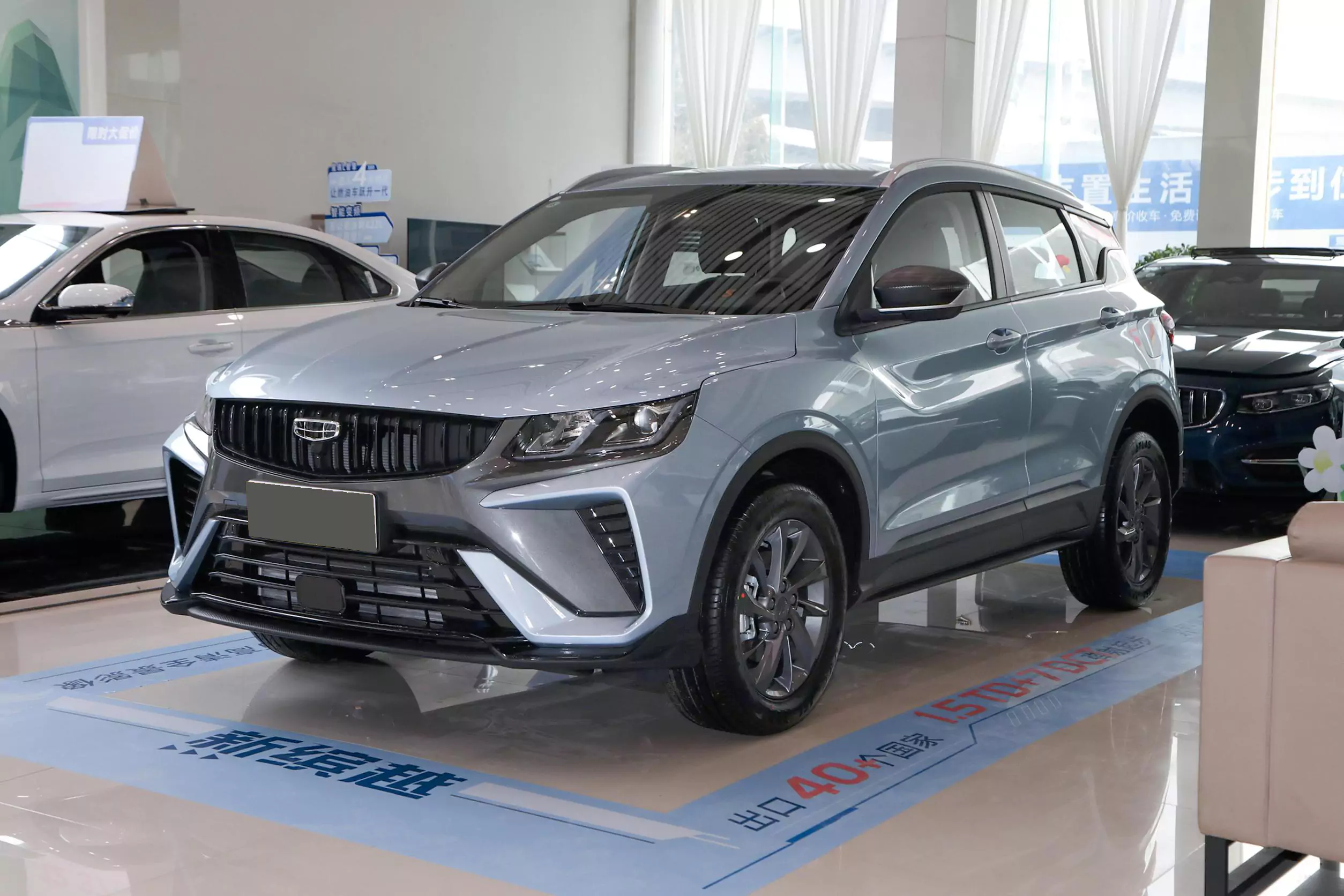
Six Reasons Why Electric Cars and Sedans Are Cheaper in China
Let's outline why cars and electric vehicles are cheaper in China than in other countries.
1. Government Policies and Regulations
China is an export-oriented economy. In 2023, China exported over 50,000 vehicles, becoming the world's largest automobile exporter. Given that automobile exports account for a significant portion of China's GDP, the government places great emphasis on providing subsidies and incentives to domestic automakers. These incentives have significantly reduced costs.
Similarly, the Chinese government has invested heavily in the electric vehicle sector. Since 2009, the Chinese government has allocated over $2.9 billion to support electric vehicle production. Furthermore, the Chinese government has launched a 52 billion yuan ($7.18 billion) sales tax reduction program to promote electric vehicle sales. All these factors combined have enabled Chinese automakers to produce some of the world's cheapest electric vehicles.
2. Low Labor Costs
China's labor costs are significantly lower than in many Western countries. For example, the minimum hourly wage for an assembly line worker in China is $4.20. In contrast, the average hourly wage for an auto worker in the United States is approximately $29. This substantial difference in labor costs allows Chinese manufacturers to maintain lower production costs.
While Chinese labor has historically been inexpensive, wages have risen dramatically, tripling in the past decade. Despite this upward trend in wages, China's labor costs remain lower than in some emerging markets and developed countries.
3. Lower Material Costs
Besides labor, the cost of materials used in Chinese-made cars is generally lower because raw materials are sourced locally. China is a major producer of metals and minerals used in automobile production, reducing reliance on imports and lowering material costs.
This advantage is particularly evident in the electric vehicle sector, where battery manufacturing relies on China's abundant production resources. For example, Chinese batteries are 24% cheaper than those in the US, contributing to the overall affordability of Chinese electric vehicles.
4. Economies of Scale
China's position as the world's largest auto market enables manufacturers to achieve economies of scale. By 2024, China leads in both auto sales and production, with domestic output projected to reach 20.25 million vehicles by 2025. This massive scale allows manufacturers to mass-produce cars.
Economies of scale allow Chinese automakers to spread fixed costs such as R&D and factory management expenses across more units. This reduces the average cost per vehicle, giving companies an economic advantage in operating in this market.
5. Supply Chain Advantages
Chinese automakers benefit from a highly localized supply chain, thereby reducing logistics and transportation costs. A major advantage of Chinese manufacturers is their extensive network of local suppliers. The proximity between suppliers results in shorter turnaround times and lower transportation costs, which is crucial for maintaining low overall production costs.
By sourcing materials locally, manufacturers can reduce transportation costs and minimize delays associated with importing raw materials from overseas. This localized supply chain allows manufacturers to negotiate more favorable prices with suppliers. Therefore, Chinese automakers can produce cars at lower prices while maintaining acceptable quality standards.
6. Technological Innovation and Investment
Chinese electric vehicle companies are at the forefront of technological innovation. They are reportedly developing new models 30% faster than traditional automakers, enabling them to respond quickly to market demands and consumer preferences.
Furthermore, Chinese automakers have invested heavily in automotive technology. While this may not seem like a cost-effective option in the short term, it helps reduce the cost of car manufacturing in China in the long run.
Similarly, China's massive market size not only supports the development of domestic manufacturers but also attracts significant foreign investment. This influx of capital and technology creates an environment for manufacturers to further optimize production processes and reduce costs.
Final question: Why are Chinese cars so cheap?
In conclusion, the reason Chinese cars are cheap is due to government incentives and support policies for the automotive manufacturing industry. In addition, low labor and material costs, coupled with economies of scale, are also important factors contributing to the low price of Chinese cars.
Are you looking for affordable Chinese cars or electric vehicles? You can import one from China. Amiya Autos brings you a variety of reliable and inexpensive cars and electric vehicles from China.